The Evolution of Mobile Gaming: From Snake to Augmented Reality
[ad_1]
Mobile gaming has evolved significantly since its inception in the late 20th century. From basic games like Snake, available on the earliest mobile phones, to the visually stunning and immersive experiences of augmented reality (AR), mobile gaming has undergone a profound transformation. This article explores the journey of mobile gaming across the years, highlighting key developments, innovations, and trends that have shaped the industry.
The Early Days: The Birth of Mobile Gaming
The journey of mobile gaming began in 1997 with the launch of Snake on Nokia mobile phones. This simple yet addictive game captured the hearts of users, laying the foundation for what was to come. While limited in graphics and gameplay, Snake introduced the idea that mobile devices could be used for gaming, creating a niche that would only expand in the following years.
As the mobile industry grew, smartphones began to emerge. By the early 2000s, devices such as the IBM Simon and the first iterations of Windows Mobile started to incorporate more advanced games. Titles like Tetris and Bejeweled found their way to mobile screens, appealing to a broader audience and setting the stage for future innovations.
The Smartphone Revolution
The true revolution in mobile gaming began with the introduction of the iPhone in 2007 and the subsequent launch of the App Store in 2008. These groundbreaking developments enabled developers to reach a massive audience, fostering a new wave of creative mobile games. Popular titles like Angry Birds and Fruit Ninja quickly became household names, showcasing the potential of mobile gaming.
The advent of smartphones with larger screens and more powerful processors allowed for complex graphics, engaging gameplay, and new genres. Mobile gaming evolved from simple, pixelated graphics to intricate 3D environments that enhanced player engagement.
Gaming on the Go: The Rise of Mobile Game Genres
As mobile technology continued to advance, various genres emerged within the mobile gaming landscape. Casual games gained immense popularity, attracting players who might not usually identify as gamers. Social games like FarmVille and Words with Friends connected players through competitive challenges, creating a social component that kept users engaged.
The emergence of freemium models allowed developers to offer games for free while monetizing them through in-app purchases. This business model transformed how games were produced and consumed, making mobile gaming more accessible. People no longer needed to spend significant amounts to enjoy quality games; instead, they could try a title for free and choose to invest in additional content.
The Impact of Mobile Technologies
With the rise of mobile gaming, new technologies began to influence the industry. The introduction of 4G technology in 2009 enabled developers to create more data-intensive games that utilized online multiplayer features, increasing player competitiveness and community building. Game streaming services further enhanced this by allowing players to access high-quality games on their mobile devices, irrespective of hardware limitations.
The evolution of graphics technology also played a pivotal role in mobile gaming. Game engines like Unity and Unreal Engine empowered developers to create stunning visuals and lifelike characters, raising the bar for mobile gaming experiences. The combination of touch interfaces and motion sensors allowed for intuitive controls, making games easier to play and increasing their appeal.
AR and VR: The New Frontier
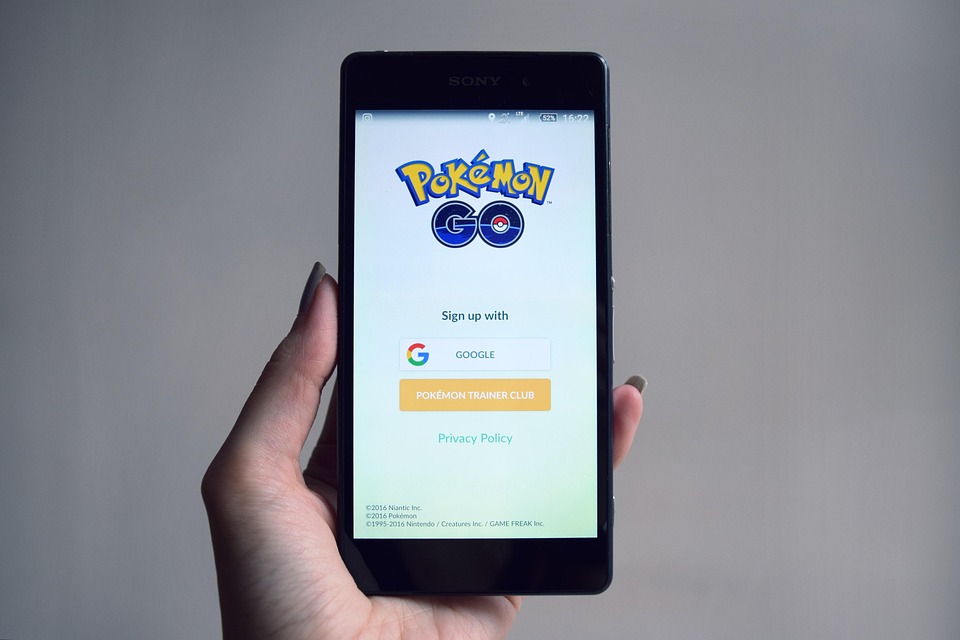
In recent years, augmented reality (AR) has emerged as a groundbreaking technology that bridges the gap between the real world and the virtual gaming world. Games like Pokémon GO revolutionized mobile gaming, employing AR to create immersive experiences that drew players outdoors. The success of such games highlighted an intriguing trend; players were no longer confined to their screens but were encouraged to explore their surroundings.
As AR continues to evolve, the potential for mobile gaming becomes even more exciting. Developers are now exploring ways to integrate AR technology into various genres, from puzzle games to adventure titles. These innovations promise to enhance user interaction, engagement, and overall gameplay experience.
Conclusion
The evolution of mobile gaming from the simplistic Snake to the advanced world of augmented reality has redefined entertainment on the go. With advancements in technology, mobile gaming has become accessible, engaging, and diverse. As we look toward the future, it’s evident that the journey of mobile gaming is far from over. With continuous innovations, we can only imagine what groundbreaking experiences lie ahead.
FAQs
What was the first mobile game?
The first widely recognized mobile game was Snake, released by Nokia in 1997.
How has mobile gaming changed over the years?
Mobile gaming has evolved from simple text-based and pixelated games to complex 3D graphics and augmented reality experiences. The emergence of smartphones and app stores has played a significant role in this transformation.
What are some of the most popular mobile games today?
Some popular mobile games today include Candy Crush Saga, PUBG Mobile, Fortnite, Among Us, and Pokémon GO.
What future trends can we expect in mobile gaming?
Future trends in mobile gaming may include further advancements in augmented and virtual reality, enhanced AI integration, cloud gaming, and the incorporation of more interactive and social elements in games.
[ad_2]