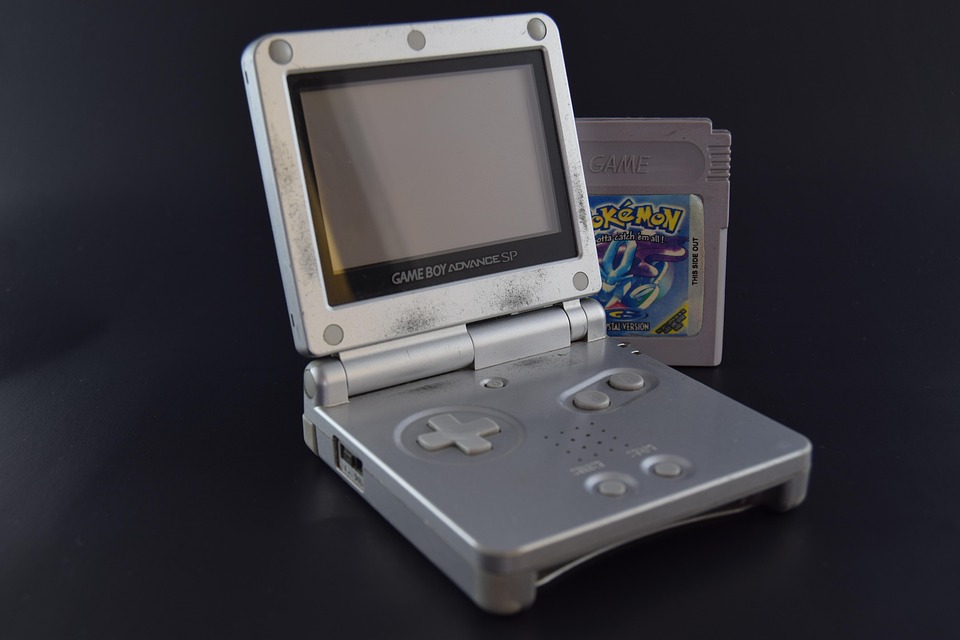
Pixelated Memories: The Enduring Allure of Retro Gaming
[ad_1]
In an age where graphics and technology continually push boundaries, there’s an undeniable charm that comes with retro gaming. As we sit among high-definition visuals and complex narratives, whispers of the past—filled with pixelated graphics and 8-bit soundtracks—continue to reverberate within the gaming community. This article delves into why retro gaming maintains an enduring allure alongside modern advancements.
The Nostalgia Factor
Nostalgia is a powerful emotion. For many millennials and Gen-Xers, vintage video games encapsulate cherished memories of childhood. Whether it was battling friends on the NES or spending countless hours guiding Mario through the Mushroom Kingdom, these games represent an era when gaming was simple yet profoundly engaging. The pixelated graphics, chiptune soundtracks, and straightforward gameplay evoke feelings of innocence and carefree days.
This nostalgia isn’t just personal; it transcends into a broader cultural phenomenon. Platforms such as Twitch and YouTube host countless streams and videos dedicated to retro games, tapping into a collective nostalgia that strikes a chord with many viewers. The communal experience of reminiscing about classic games fosters a sense of belonging among generations of gamers.
Artistic Appeal
Retro games, characterized by their pixel art, offer a unique aesthetic that contrasts sharply with today’s hyper-realistic visuals. Artists painstakingly crafted each pixel to convey emotions and actions, resulting in a form of art that requires both creativity and technical skill. Iconic figures like Mario, Link, and Sonic became cultural icons not just for their gameplay, but for their design. This simplicity allows players to imagine and fill in the gaps with their creativity and interpretation.
Moreover, indie developers have recognized this artistic appeal and have started to create games that channel the retro vibe while incorporating modern mechanics. Titles like “Celeste” and “Shovel Knight” draw inspiration from the past but present them in a fresh context, showing that pixel art is not merely a trend but an enduring artistic form.
Accessibility and Simplicity
Another significant factor in the enduring appeal of retro gaming is its accessibility. Broadband and high-speed internet may have revolutionized the way we access games today, but retro games do not require hefty systems or extensive downloads. Many classic games can be played on a range of platforms, from emulators on personal computers to mini consoles like the NES Classic Edition. This ease of access allows new generations to experience timeless classics without barriers.
The simplicity of gameplay is also commendable. Retro games often feature straightforward controls and mechanics that can be learned quickly yet offer endless fun. This makes them appealing for both casual and hardcore gamers, providing enjoyment without the steep learning curve that some modern games impose.
Preserving Gaming History
With the rapid evolution of technology, preserving gaming history is more important than ever. Retro gaming offers a window into the past, showcasing milestones in gaming technology and storytelling. From the introduction of home consoles to the birth of multiplayer gaming, these historical artifacts help us appreciate the evolution of the industry.
Various organizations and museums have taken it upon themselves to preserve these memories, ensuring that future generations can learn about and experience the cultural impact of retro games. Events like the “Video Game History Foundation” provide a platform for discussion and preservation, fostering an understanding of the nostalgia surrounding retro gaming.
Community Engagement
The gaming community has always been at the heart of gaming culture, and retro gaming fosters unique engagements. Many retro gaming communities have emerged, focusing not only on playing classic titles but also on sharing strategies, artwork, and modifications. Forums like Reddit, Discord groups, and dedicated websites bring enthusiasts together to celebrate their favorite games, share tips, and even trade memorabilia.
Additionally, retro gaming events, such as tournaments and conventions, encourage interactivity and bonding among enthusiasts. It’s not uncommon to find players of all ages engaging in friendly competition, united by their love for pixelated heroes and classic stories.
Conclusion
The allure of retro gaming lies in its rich tapestry of nostalgia, artistry, accessibility, and community. As we advance technologically and push the boundaries of what games can achieve, we must remember the foundations upon which this industry was built. The pixelated memories of our past resonate in modern culture, illuminating not just the evolution of gaming but also the emotional experiences that accompany it.
In this whirlwind of advanced graphics and intricate storytelling, let’s not forget the simple joys of jumping over barrels or navigating through a 2D space. Retro games remind us that even the most pixelated of memories can hold a lasting allure, imbuing players with a sense of happiness and belonging that transcends time.
FAQs
What are some popular retro games?
Some classics include “Super Mario Bros.,” “The Legend of Zelda,” “Pac-Man,” “Tetris,” and “Sonic the Hedgehog.” These games set the standard for gaming and are often fondly remembered.
Can I play retro games on modern consoles?
Yes! Many modern consoles offer classic game libraries or downloadable content featuring retro games. Additionally, devices like the NES Classic or Sega Genesis Mini provide preloaded retro titles.
Are there any communities dedicated to retro gaming?
Absolutely! Many online platforms, forums, and local gaming groups are dedicated to retro gaming. Websites like Reddit, Discord servers, and retro gaming conventions are great places to connect with fellow enthusiasts.
Why are pixelated graphics still popular?
Pixelated graphics have a unique charm and artistic style that appeals to many players. They evoke nostalgia and encourage creativity in how players engage with games, allowing for personal interpretations of the simplistic visuals.
[ad_2]