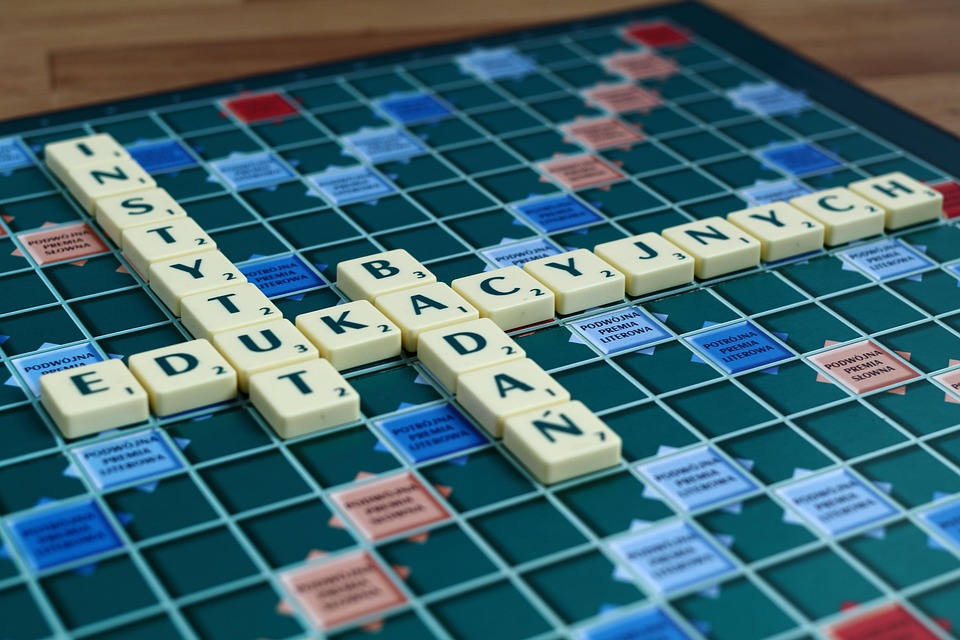
Unlocking Learning: The Impact of Educational Games in Classrooms
[ad_1]
Introduction
The landscape of education has witnessed transformative changes over the past two decades, with technology paving the way for innovative teaching methodologies. One of the most compelling developments is the incorporation of educational games in classrooms. These interactive tools not only make learning enjoyable but also enhance cognitive abilities, foster collaboration, and facilitate a deeper understanding of complex concepts.
Why Educational Games?
Educational games provide a unique blend of fun and learning. They harness the inherent motivational aspects of games, encouraging students to participate actively in their education. Here are several reasons why educational games are pivotal in modern classrooms:
- Enhanced Engagement: Games captivate students’ attention and foster a passion for learning.
- Immediate Feedback: Players receive instant results on their performance, allowing for real-time adjustments to learning strategies.
- Development of Critical Skills: Many games nurture essential skills such as problem-solving, strategic thinking, and teamwork.
- Inclusivity: Games can cater to different learning styles and paces, making education accessible for all students.
Types of Educational Games
Educational games can be broadly categorized into various types, each serving distinct educational purposes:
- Simulation Games: These allow students to learn in a risk-free environment, simulating real-life situations (e.g., scientific experiments, economic models).
- Quizzes and Trivia: Engaging students through rapid-fire questions boosts knowledge retention and recall.
- Puzzles and Strategy Games: These enhance logical thinking and planning skills, often integrating math and language concepts.
- Collaborative Games: They promote teamwork and communication, integral for developing social skills.
Real-World Impact of Educational Games
Numerous studies have substantiated the advantages of educational games in classrooms:
- Improved Academic Performance: A 2021 study by the Journal of Educational Psychology showed that students who engaged in educational games scored significantly higher in math and science assessments than their peers.
- Increased Retention: Research featured in the International Journal of Educational Technology indicated that game-based learning leads to a 30% increase in retention rates.
- Motivation and Engagement: According to the Online Learning Consortium, classrooms that utilized gamified learning platforms saw a 50% uptake in student participation and enjoyment.
Challenges in Implementing Educational Games
While the benefits are profound, schools face certain challenges when integrating educational games:
- Budget Constraints: Developing or purchasing quality educational games can be costly.
- Teacher Training: Educators must be adequately trained in deploying these games effectively.
- Distraction Concerns: Some educators worry that games may distract students from core educational objectives.
Best Practices for Integrating Educational Games
To maximize the benefits of educational games, consider the following practices:
- Align with Curriculum: Ensure that games reinforce key subjects and learning outcomes.
- Encourage Reflection: Allow time for students to discuss and reflect on their gaming experience and its educational relevance.
- Facilitate Collaboration: Use games that promote teamwork to build social and communication skills.
- Measure Effectiveness: Consistently assess the impact of games on students’ learning to refine the approach.
Conclusion
Educational games serve as a powerful tool for transforming traditional classroom environments into vibrant, engaging, and effective learning spaces. They not only enhance academic performance and retention but also foster essential skills that students will carry into their future endeavors. As educators embrace the potential of technology, the integration of game-based learning will undoubtedly play a pivotal role in shaping the future of education. By overcoming challenges and employing best practices, schools can create an enriching environment where learning becomes an exciting adventure rather than just a routine task.
FAQs
1. What are some examples of educational games?
Examples include Kahoot! for quizzes, Minecraft: Education Edition for creativity and problem-solving, and SimCity for urban planning and civic responsibility.
2. How can I introduce educational games in my classroom?
You can start by selecting a game that aligns with your curriculum, providing appropriate training if needed, and gradually incorporating it into lesson plans.
3. Are educational games suitable for all age groups?
Yes, there are educational games tailored for different age groups and learning levels, making them versatile tools across educational settings.
4. Do educational games really improve learning outcomes?
Yes, numerous studies have shown that when implemented correctly, educational games can lead to improved academic performance and retention.
[ad_2]