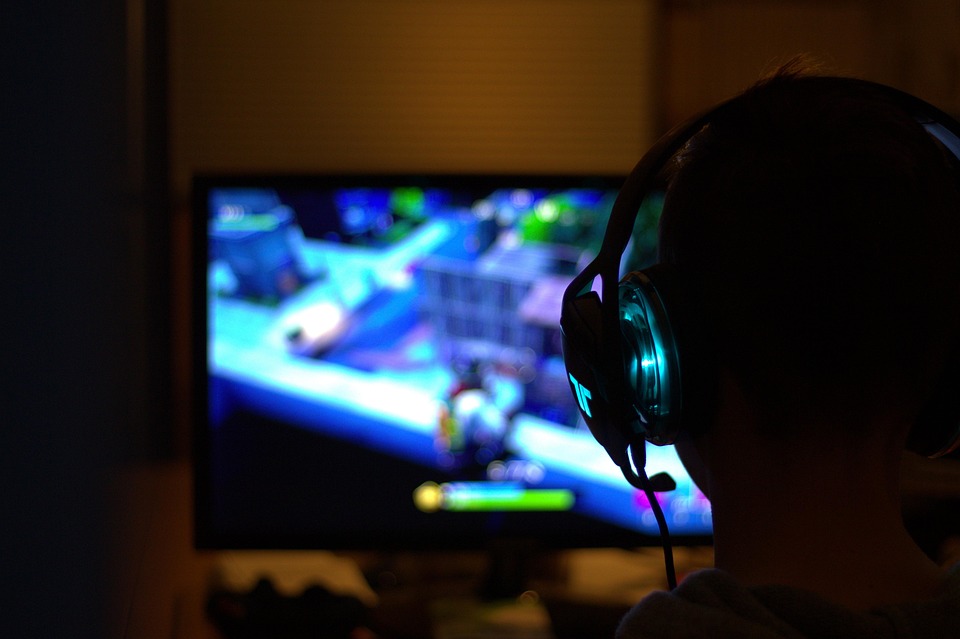
The Evolution of Multiplayer Gaming: From LAN Parties to Online Worlds
[ad_1]
Multiplayer gaming has undergone a significant transformation over the last few decades, evolving from localized LAN parties to complex online ecosystems populated by millions of players worldwide. This article delves into the history of multiplayer gaming, examining key milestones and trends that have shaped its development.
Early Days: LAN Parties
In the late 1980s and early 1990s, computer networking began to emerge as a viable option for playing games with multiple players. This period saw the birth of Local Area Network (LAN) parties where enthusiasts would gather in one location, connecting their computers via cables to play popular titles like Doom and Quake.
These LAN parties were not only about the games themselves; they were social events. Gamers bonded over late-night sessions, snacks, and camaraderie, often lasting for hours or until the sun came up. The need for physical proximity highlighted the limitations of the technology at that time, as online gaming was still in its infancy.
The Rise of Online Gaming
As internet technology improved, so did the capacity for online gaming. In the late 1990s and early 2000s, titles like Counter-Strike and Star Wars: Galaxies paved the way for players to engage in multiplayer experiences without needing to be in the same room. This marked a significant turning point.
Key developments included:
- Dial-Up Connections: While slow, dial-up internet allowed players to connect to each other and play from their homes.
- Dedicated Servers: These enabled stable connections and facilitated the formation of game communities.
- MMORPGs: Massively Multiplayer Online Role-Playing Games emerged, with titles like World of Warcraft allowing thousands of players to inhabit the same virtual world.
From Consoles to Cross-Play
Consoles like the PlayStation and Xbox began entering the multiplayer arena in the early 2000s, offering online services such as PlayStation Network and Xbox Live. This shift brought about cross-platform play, allowing console players to compete with each other and with PC players.
Key transitions during this era included:
- Voice Chat: Features like in-game voice chat revolutionized communication, allowing for strategic teamwork.
- Competitive Gaming: Esports began to take shape, as games like League of Legends and Dota 2 led to organized tournament play.
- Mobile Gaming: Games such as Fortnite and PUBG Mobile brought multiplayer experiences to mobile devices, appealing to a broader audience.
The Modern Era: Massively Connected Worlds
Today, multiplayer gaming has reached unprecedented levels of engagement and immersion. Fully realized online worlds offer vast, interconnected spaces where players can interact beyond just gaming. Titles like Grand Theft Auto Online, Overwatch, and Among Us exemplify the variety available
Key characteristics of modern multiplayer gaming include:
- Persistent Worlds: Many games feature worlds that change and evolve based on player actions.
- Social Features: Games integrate social networks, enabling players to share experiences and form gaming communities.
- Diverse Genres: Modern multiplayer spans numerous genres, from shooters to puzzles, and continues to innovate.
Conclusion
The evolution of multiplayer gaming is a testament to technological advancements and the inherent human desire for connection and competition. From the humble beginnings of LAN parties to today’s expansive online worlds, multiplayer experiences have transformed the gaming landscape. As technology continues to develop, we can anticipate further innovations that will reshape how we interact and play together in virtual spaces.
FAQs
What was the first multiplayer video game?
The first recognized multiplayer video game is Maze War, developed in the early 1970s. It allowed players to navigate through a 3D maze and interact with one another.
What are LAN parties?
LAN parties are social gatherings where players connect their computers via a Local Area Network to play multiplayer video games together in person.
How has mobile gaming changed multiplayer experiences?
Mobile gaming has made multiplayer experiences more accessible, allowing players to engage from virtually anywhere, breaking down barriers of time and space.
What is esports?
Esports refers to competitive video gaming, where players or teams compete in organized tournaments, often for substantial prizes and viewing audiences comparable to traditional sports.
[ad_2]